

News
2025 Year In Review
As the 2026 year beginnings, we value the trust, collaboration, and dedication of our clients and team. Wishing everyone a Happy New Year and all the best in the year ahead.
Read moreBy continuing to access our website, you agree to our privacy policy and use of cookies, which help us understand who visits our website and how they use it. To learn more, read our updated privacy notice.
By continuing to access our website, you agree to our privacy policy and use of cookies.


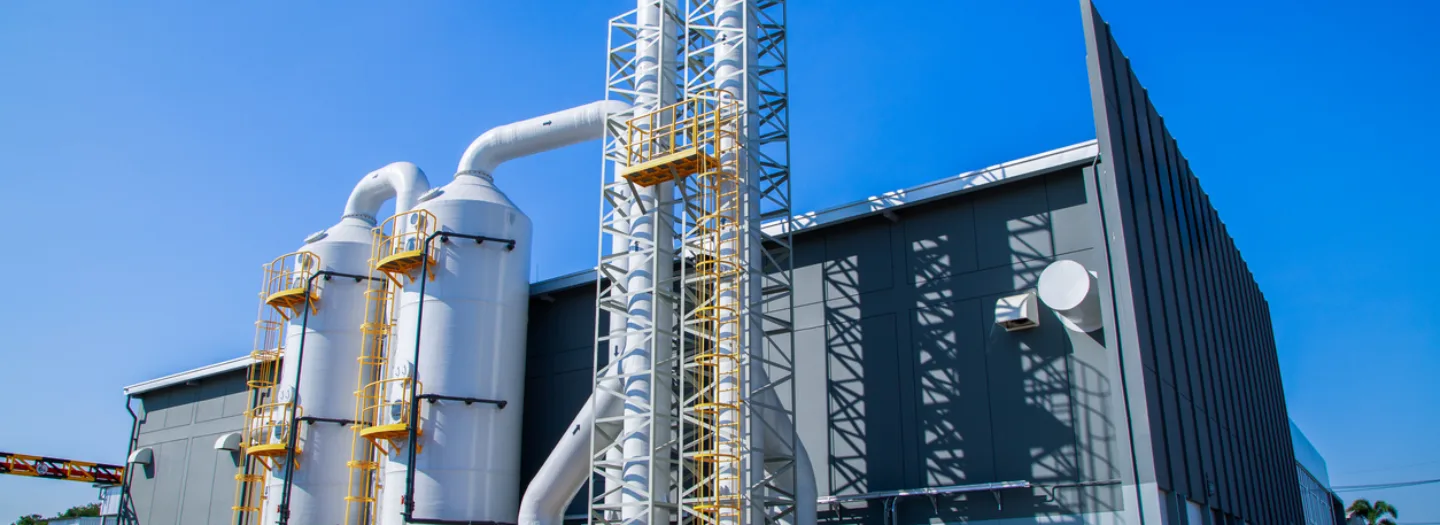
Air permitting is often one of the most misunderstood aspects of environmental compliance. Companies frequently expect the permitting process to be straightforward or quick, only to encounter unexpected delays, additional regulatory requirements, or costly project delays. By understanding the process - and the common pitfalls - companies can anticipate problems and keep projects on schedule.
Air permits regulate emissions from equipment and process operations that release air pollutants which include primary air pollutants (e.g., volatile organic compounds [VOCs] or particulate matter [PM]), hazardous air pollutants (HAPs), or state level air toxics. Depending on the type of operation, emissions levels, and regulatory thresholds, a facility may be required to maintain documentation of exemption status, obtain registration or permit by rule, a construction permit, operating permit, or synthetic minor permit.
Permitting requirements may be triggered by:
Common pitfalls to air permitting include:
Permitting timelines vary widely by state, permit type, and the complexity of emissions - with typical timelines for permit levels below:
Permit Type |
Typical Timeline |
Permit Exemption Determination |
3-6 weeks |
Minor Source, PBR or General Permit |
1–3 months |
Construction / Plan Approval Permit |
3–6 months |
Synthetic Minor Operating Permit |
4–8 months |
Title V Operating Permit |
6–12+ months |
Additional time may be required for agency questions, public notice periods, or revisions to the application.
Air permitting does not need to be a barrier to operational growth, but it does require careful planning and a clear understanding of regulatory expectations. Facilities that address permitting early in the project lifecycle are far more likely to avoid delays, enforcement issues, and costly redesigns. Aeterra works with our clients to provide clear permitting strategy to reduce project risk.
As the 2026 year beginnings, we value the trust, collaboration, and dedication of our clients and team. Wishing everyone a Happy New Year and all the best in the year ahead.
Read more